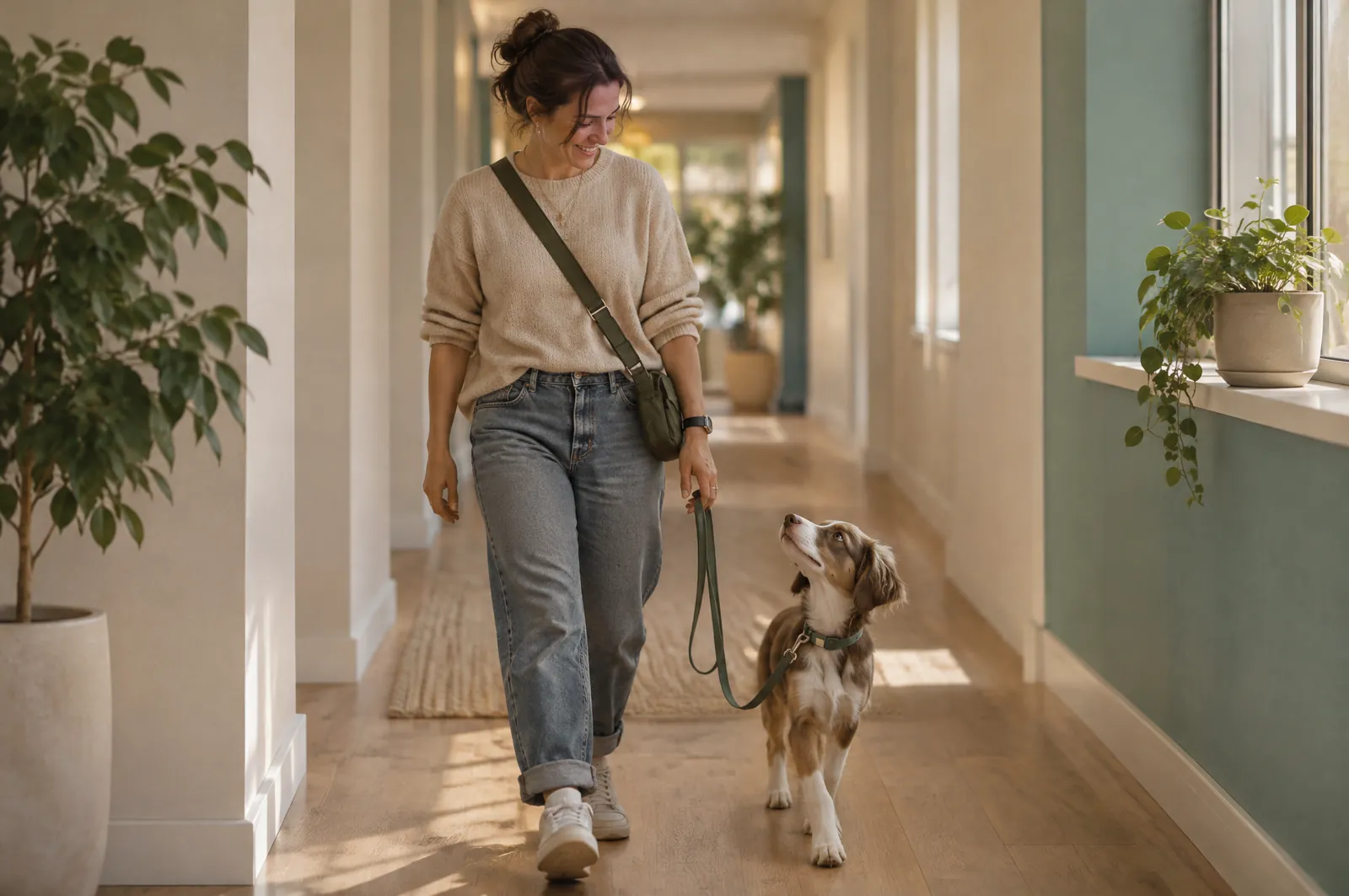



Practice with your ESA for 5–10 minutes daily. Start with simple exercises, such as responding calmly to doorbell sounds or sitting when someone approaches. Gradually introduce new situations and people as your animal becomes more comfortable. Short, consistent sessions can help reinforce good behavior without overwhelming your ESA. Consistent exposure to the same stimuli will reduce the stress and excitement associated with the triggers.
Having guests over should feel enjoyable, not like something you worry about because of how your emotional support animal (ESA) will react. Afterall, your ESA is there to help alleviate mental health distress and disability, not contribute to it. Maybe your ESA dog starts barking as soon as the doorbell rings, jumps on visitors, or gets too excited when someone walks in. Your ESA cat might do the opposite and hide under the bed until everyone leaves. These little moments can make having people over harder than it needs to be, creating stress for the animal as well as the ESA owner.
Your ESA might be perfectly relaxed around people they know but act differently around strangers. New voices, unfamiliar smells, sudden movements, and changes in their usual surroundings can make them nervous or overly excited.
With a little patience and regular practice, you can help your ESA feel more at ease when visitors come over, whether they are friends or strangers. You don't have to make your animal friendly with everyone or expect them to greet every guest. What matters is helping them feel comfortable and regulated, giving them space when needed, and teaching them to stay calm around new people so they can continue to help, providing emotional support rather than stress.
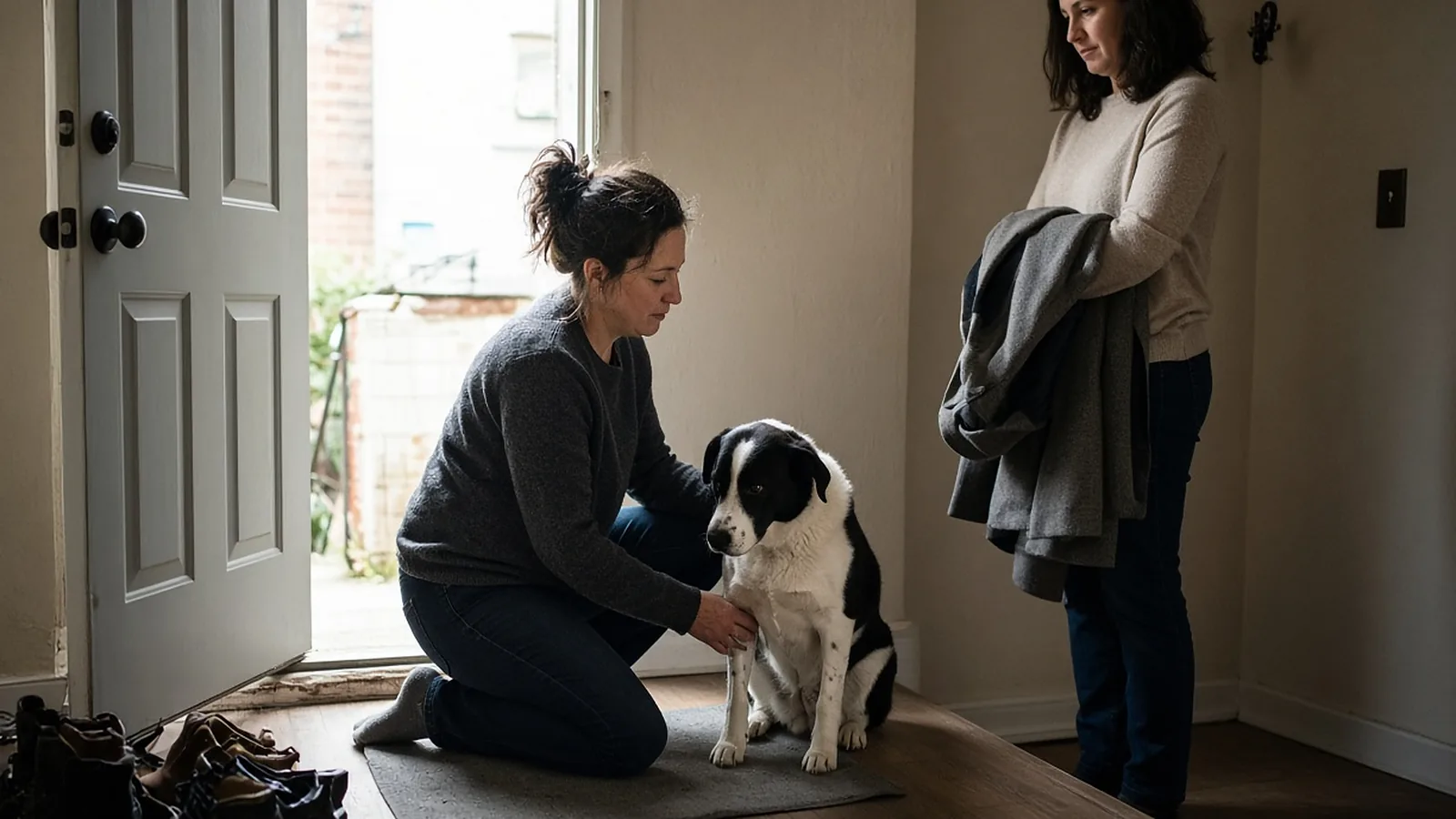
Why It's Important to Train Your ESA Around Guests
Your emotional support animal provides comfort and companionship. But when your animal barks at every visitor, jumps on people, or gets worked up whenever someone enters your home, it can make social situations stressful for everyone, including you. Understanding common ESA training myths can also help you set realistic expectations about your animal's behavior.
A little training can make a big difference. Helping your ESA learn how to behave around guests can make visits easier and help your animal:
- Feel less nervous around unfamiliar people.
- Stay calmer when the doorbell rings, or someone knocks.
- Avoid jumping on visitors or barking excessively.
- Get used to meeting new people without feeling overwhelmed, aggressive, or skittish.
- Settle back into their normal routine faster and easier when guests are around.
Keep in mind that your ESA does not have to greet everyone who walks through the door. Some animals need more time to warm up to strangers, while others prefer to keep their distance. Respecting that space is just as important as teaching good behavior.
How to Train Your ESA to Behave Around Guests and Strangers?
Helping your ESA feel comfortable around unfamiliar people takes time, patience, and consistent practice. Teaching your ESA basic commands can be quite helpful when they are around unknown people and new faces. The following training tips can help you encourage polite greetings, reduce unwanted overwhelmed reactions, and make visitors feel more comfortable around your animal.
Teach Your ESA to Stay Calm When Someone Knocks
Some animals start barking or rushing to the door the moment they hear a knock or doorbell. To help your ESA stay calm, practice these sounds with someone your animal knows, or even just with yourself and your ESA.
Ask them to knock gently while you reward your ESA for staying on their bed or mat. Repeat this exercise and slowly introduce louder knocks and doorbell sounds. Consistency is key. The more exposure to the sound, the faster the ESA will become desensitized and accustomed to it.
If your ESA gets too excited, don't rush to open the door. Use a leash or baby gate to keep things under control until your animal settles down. Notice your own stress reactions, and focus on keeping a steady and firm tone of voice and a normal speaking volume.
Encourage Polite Greetings Instead of Jumping
Jumping is one of the most common ways animals show excitement when someone arrives, but it can make guests uncomfortable and may even knock someone over. Sometimes animals that are startled by sudden movement, such as someone pulling away from them, may snap or bite.
A simple way to manage this is to teach your ESA to sit before getting attention.
Try these steps:
- 1.Command your ESA to sit when someone approaches.
- 2.Reward them for keeping all four paws on the floor.
- 3.Ask guests not to pet or greet your animal while they are jumping.
- 4.Give them attention once they settle down using treats or pets.
- 5.Practice the same routine whenever visitors come over.
Make sure everyone follows the same approach. If some guests allow jumping while others discourage it, your ESA may get confused about what you expect. Again, consistency is key.
Let Your ESA Approach New People at Its Own Pace
Some animals take time to warm up to strangers. Your ESA may prefer watching guests from a distance rather than going up to greet them right away. That's absolutely normal.
Don't force your animal to interact if they seem skittish or wary. Ask guests to give them space and avoid sudden movements or reaching out to pet them. This is especially important for children. Let your ESA approach the guests when they feel ready.
It's also a good idea to set up a quiet spot where your animal can rest or hide away when things get overwhelming. This way, they can feel safe without being expected to socialize with everyone. Many animal owners will utilize a covered kennel or a quiet room for this purpose.
Research supports this approach. The ASPCA recommends letting dogs interact with unfamiliar people at their own pace and avoiding forced interactions when they show fear or discomfort. It also advises providing pets with a quiet, safe space where they can retreat when visitors become overwhelming.
Use Positive Reinforcement to Encourage Calm Behavior
One of the easiest ways to teach your ESA good manners around guests is to reward them when they behave well. Instead of scolding your animal for barking or jumping, focus on the behavior you want to see. Positive reinforcement for behavior you want to see more of, such as good behavior, is far more effective than punishment for behavior you’re trying to reduce or eliminate.
For example:
- Give a treat and praise when your ESA stays calm after hearing the doorbell or a knock.
- Praise them for sitting instead of jumping on guests.
- Reward them for staying quiet when someone enters the residence.
- Offer a treat when they settle in their resting spot.
You can use treats, praise, or any reward your animal enjoys. Try to reward them right away so they understand what they did right. Avoid shouting or physical punishment, as these behaviors can make your ESA more nervous around visitors and make the situation harder to manage.
Common Mistakes to Avoid When Introducing Your ESA to Guests
Getting your ESA comfortable around visitors takes time. A few common mistakes can make the process harder, especially when ESA training for rental housing also involves helping your animal adjust to shared living spaces and unfamiliar people. Keep these points in mind:
- Forcing Interactions: Don't make your ESA approach strangers or accept petting. This can increase the likelihood of stress responses, including aggressive behaviors.
- Scolding Fearful Behavior: Shouting can make an already nervous animal more anxious and does not provide adequate support in increasing desired behaviors.
- Mixed Signals: Ask all guests to follow the same rules about petting and jumping, including children.
- Missing Signs of Stress: Hiding, trembling, growling, or moving away may mean your ESA needs space. Make sure you have a safe, quiet area for your ESA to retreat to.
- Too Many Visitors: Start with one or two people instead of a large gathering.
- Expecting Quick Results: Give your ESA time to adjust. Every animal learns at its own pace.
How Long Does It Take for an ESA to Become Comfortable Around Strangers?
Every animal is different. Some ESAs get used to visitors within a few weeks, while others need several months. Their age, personality, and past experiences can all affect how quickly they adjust. For example, if an animal has been previously hurt or yelled at, they may take longer to warm up and adjust, even to safe people.
Don't expect perfect behavior right away. Even small changes, like barking less or settling down faster when guests arrive, are signs of progress. It is important to still provide positive reinforcement through treats and pets when your ESA’s behavior is moving in the right direction.
If your ESA continues to show extreme fear, lunges at visitors, or tries to bite, consult a veterinarian or qualified animal behaviorist for help. You do not have to train your ESA alone, and recognizing when you need more support is important, as it will set you and your ESA up for success.
Final Thoughts
Getting your ESA comfortable around guests won't happen overnight. Some animals take longer to warm up to new people, and that's okay. Be patient, keep practicing, and reward good behavior along the way.
Most importantly, don't force your ESA to greet everyone. Give them space when they need it and let them approach visitors in their own time. The goal is simple: Make sure both your animal and your guests feel comfortable when people come over.
Frequently Asked Questions About This ESA Topic
Answers from this article about eligibility, housing, and the evaluation.
01Should I tell my guests how to interact with my ESA?
02Can my ESA become protective when someone visits my home?
03Should I keep my ESA on a leash when visitors arrive?
04How can I prepare my ESA for guests staying overnight?
05What should I do if my ESA does not like a particular visitor?

Allyson Valley
I’m a Licensed Professional Counselor (LPC-MHSP), Ph.D. in Counselor Education & Supervision, with over six years of experience leading and delivering care across crisis services, behavioral health programs, and healthcare systems.
See full bioYour Next Step
ESA documentation is issued only after an evaluation by a licensed professional. These pages explain the process and requirements.



- Evaluation by a clinician licensed in your state
- $99, no hidden fees
- Secure, HIPAA-compliant telehealth