
ESA Letter Evaluations by Pennsylvania Licensed Therapist
HIPAA Compliant
Start Your ESA Letter Evaluation
As Seen On
Our Licensed Mental Health Professionals
We connect individuals with licensed mental health professionals who are qualified to conduct evaluations and provide recommendations when clinically appropriate.
Robert Staaf
LCSW licensed in 30+ states with extensive psychotherapy experience. Pet owner and advocate for animal-assisted mental health treatment.

Leslie K. Gamble
Licensed therapist with 13 years of healthcare experience serving individuals, couples, and families with flexible, goal-focused care.

Gaurav Patel, MD
Board-certified family medicine physician with experience providing evidence-based, patient-focused care across inpatient, urgent care, outpatient, and telemedicine settings.
Who Qualifies for an ESA Letter in Pennsylvania?
A licensed mental health professional evaluates your symptoms using established clinical standards, including the DSM-5-TR, to determine whether an emotional support animal may be appropriate. Some commonly assessed conditions include:
Qualifying Conditions

Anxiety-Related Conditions
Living with constant worry, moments of panic, or feeling overwhelmed when around others.

Mood-Related Conditions
Dealing with emotional ups and downs that affect mood, motivation, and how you feel throughout the day.

Trauma-Related Conditions
Coping with PTSD and stress responses caused by past experiences that were overwhelming or deeply upsetting.

Neurodevelopmental & Cognitive Conditions
Seeking emotional support while managing autism, bipolar shifts, or the daily challenges of ADHD.

The above condition does not guarantee ESA documentation. All determinations are based on clinical judgment.
Basic Requirements for Pennsylvania ESA Letter
In Pennsylvania, ESA documentation follows federal housing law under the Fair Housing Act. There are no state-specific ESA statutes. Eligibility is determined through a clinical evaluation by a licensed mental health professional.
No hidden fees. HIPAA secure.
How an ESA Evaluation Works

Book Your Appointment

Evaluation by a Licensed Clinician

Clinical Determination
Why Our Process is Unique?
No hidden fees. HIPAA secure.
Why Choose My ESA Therapist?

Licensed Professionals
Evaluations are conducted by independent U.S.-licensed mental health professionals authorized to assess ESA eligibility.

Secure Telehealth Platform
HIPAA-compliant systems ensure your information remains confidential and protected.

Clinical Integrity First
We do not guarantee ESA approval. Recommendations are based solely on clinical judgment.

Legitimate ESA Documentation
When clinically appropriate, ESA letters are issued in compliance with applicable federal and state housing guidelines.

Nationwide Access
Telehealth evaluations available for individuals across the United States, subject to clinician availability.

Transparent Process
Clear steps, clear expectations, no misleading claims.
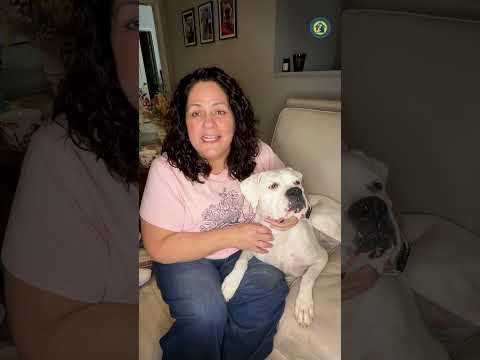
See What Our Clients Say







Benefits of a Clinical Approved ESA Letter in Pennsylvania
Housing and Financial Support

Support for Housing Accommodation
ESA approval letter helps tenants request reasonable accommodation under the Fair Housing Act when standard pet policies create a barrier.

Potential Relief From Pet Fees
In many housing situations, ESA verification letter supports exemption from typical pet fees and deposits when the animal qualifies as an accommodation.

Reduced Risk of Housing Disruption
Helps reduce conflicts over pet rules, making it easier to maintain stable housing and protect your living situation long term.


Mental Health Support

Support During Difficult Moments

Less Loneliness, More Connection
Having an animal companion helps people feel less alone and more socially connected.

Better Daily Functioning
Caring for an animal supports routine, motivation, and everyday activity.
These potential benefits are discussed in peer-reviewed research on human–animal interaction and emotional support animals (Hoy-Gerlach et al., 2024).
Emotional support animals may provide these benefits for some individuals. Outcomes vary, and ESA letter is issued only when a licensed mental health professional determines it is clinically appropriate.
No hidden fees. HIPAA secure.
ESA Housing Rights in Pennsylvania: What Tenants Should Know

Legal Basis of ESA Housing Rights
Fair Housing Act
Pennsylvania Human Relations Act
In Pennsylvania, housing protections are further supported by the Pennsylvania Human Relations Act, which prohibits disability-based discrimination and reinforces disability-based accommodation rights in housing.
Pet-Related Fees

Housing Provider Rights and Roles
ESA Documentation Review
Undue Burden or Safety Concerns
Local Health and Safety Policies
Important to Understand
How to Identify ESA Scams in Pennsylvania?

Standards for ESA Documentation
Clinical Evaluation
ESA Letter From a Licensed Mental Health Professional
Emotional support animal letters must be written by a licensed mental health professional authorized to practice in Pennsylvania or in the state where the clinician is legally permitted to provide care.
Documentation Based on Disability-Related Need
Recommended
Required
Required

Common ESA Scams in Pennsylvania
Important: No Official ESA Registry Exists
Psychiatric Service Dogs vs. Emotional Support Animals

Emotional Support Animals (ESAs)
Emotional support animals provide comfort and emotional support to individuals with mental or emotional health conditions. They do not require specialized training.
ESAs are protected under federal housing law as a reasonable accommodation but do not have public access rights.

Psychiatric Service Dogs
Psychiatric service dogs are specially trained to perform specific tasks that assist individuals with psychiatric disabilities, such as interrupting panic attacks or providing grounding support.
They are protected under the Americans with Disabilities Act (ADA) and have public access rights because of their trained task-based assistance.
Need a Psychiatric Service Dog Evaluation in Pennsylvania?
Obtaining a psychiatric service dog begins with a licensed mental health evaluation to determine whether you have a qualifying psychiatric disability. If appropriate, documentation of the disability may be provided, followed by task-specific training for the dog.
For evaluation and guidance, individuals must connect with a licensed mental health professional authorized to assess psychiatric conditions. A qualified provider can help determine whether a psychiatric service dog is an appropriate support option based on clinical need.
Frequently Asked Questions
Does an Emotional Support Animal Replace Therapy or Medication in Pennsylvania ?
Is an ESA Allowed in Shared Housing like Roommates or Dorms in PA?
How Much Does An ESA Letter Cost In Pennsylvania?
Do I Need to Renew my ESA Letter Every Year in Pennsylvania?
What if My Housing Provider Says My ESA Is Too Large or the Wrong Breed?
How to Get an Emotional Support Animal When a Landlord Says No in PA?
Available Everywhere in Pennsylvania
From major metropolitan areas to smaller communities across the Commonwealth, renters often face pet restrictions and housing policies. Our secure telehealth platform makes ESA evaluations in Pennsylvania accessible throughout the state.

Allentown
As the Lehigh Valley continues to grow, renters may face stricter pet rules. An ESA letter in Allentown provides extra support.

Erie
Rental properties throughout Erie often have pet policies that can limit housing options. An ESA letter in Erie can help.

Harrisburg
Many Harrisburg rental communities maintain pet restrictions and requirements. A Harrisburg ESA letter helps you stay prepared.

Lancaster / Central Pennsylvania
From Lancaster to surrounding Central Pennsylvania communities, pet rules vary by property. A valid ESA letter can help.

Philadelphia
Many Philadelphia apartments and rental properties enforce pet restrictions. A Philadelphia ESA letter helps support accommodation requests.

Pittsburgh
From downtown high-rises to suburban rentals, pet policies are common. A Pittsburgh ESA letter helps you navigate housing requirements.

Scranton / Wilkes-Barre
Across Northeastern Pennsylvania, landlords may enforce pet restrictions. ESA documentation helps support housing accommodation requests.

All Other Pennsylvania Cities
From Reading and York to Bethlehem and State College, our telehealth ESA services are available statewide.
Ready to Start Your ESA Evaluation?
ESA eligibility is determined by a licensed mental health professional following a clinical assessment. Approval is not guaranteed.
Medically Reviewed
Reviewed by Dr. Robert Staaf, LCSW
Licensed Clinical Social Worker · Licensed in 30+ states